Reading film genres beyond labels
Commercial streaming platforms classify movies like supermarket aisles: "Horror," "Sci-Fi," "Feel-Good Comedy." In doing so, they erase the real contracts between director and audience. A true genre is not an ingredient checklist; it is an established grammar of tension, expectation, and spatial geometry.
The Fallacy of the Content Tag
When a distributor labels Nicolas Winding Refn’s Drive as an action-car film, they set expectations that leave half the audience bewildered by seven-minute pauses and elevator shadows. Understanding genre through form saves you from mismatched expectations.
Deconstructing the Primary Visual Grammars
To select a film effectively, one must look at how the camera frames human vulnerability across three enduring cinematic traditions.
Film Noir: Spatial Disorientation and Moral Weight
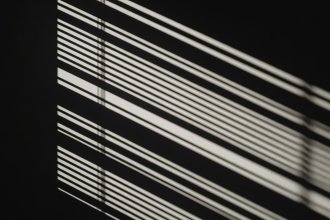
True noir is defined by low-key chiraoscuro lighting and Dutch angles that visually render ethical rot. In Billy Wilder’s Double Indemnity (1944), slatted Venetian blinds cast prison bars across Fred MacMurray long before the law catches him. The genre is not trench coats; it is inescapable fate visualised through architectural constriction.
Psychological Horror: The Threat Outside the Frame
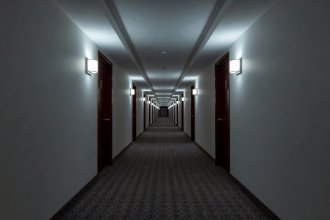
While monster cinema relies on makeup and visceral impact, true psychological horror manipulates negative space. Consider Stanley Kubrick’s The Shining (1980): the terror stems not from sudden jump cuts, but from wide-angle Steadicam tracking shots that force the viewer to dread what empty corridors refuse to reveal.
The Western: Man Set Against Indifferent Geometry
In John Ford’s The Searchers (1956), the legendary opening and closing door frames Monument Valley. The Western genre is essentially an examination of where civilisation terminates and untamed geology begins. When you watch Sergio Leone’s Once Upon a Time in the West, notice how extreme close-ups of eyes alternate with mile-wide panoramas, erasing middle distance entirely.

Genre Hybridity and Modern Subversion
Contemporary masterworks rarely stay within a single genre fence. Bong Joon-ho’s Parasite (2019) begins as a light con-artist domestic farce, morphs into Hitchcockian upstairs-downstairs suspense, and terminates in brutal societal tragedy. When choosing a watch from the last two decades, seek out works that consciously use audience familiarity with old genre tropes to deliver an unexpected critique.
| Director & Film | Surface Label | Underlying Structural Mechanic | What to Observe |
|---|---|---|---|
| Carol Reed • The Third Man (1949) | Post-War Mystery | Expressionist rubble framing & zither score dissonance | Tilted camera angles echoing Vienna's fractured geography |
| Ridley Scott • Alien (1979) | Science Fiction | Haunted house containment in industrial plumbing | Functional steam, tactile toggle switches, and claustrophobia |
| Guillermo del Toro • Pan's Labyrinth (2006) | Dark Fantasy | Historical fascist terror reflected through mythic trials | Colour transitions: warm golden subterranean vs cold blue reality |
| Coen Brothers • Fargo (1996) | Crime Thriller | Midwestern domestic ritual contrasting banal violent greed | Endless flat white snow horizons swallowing criminal panic |
Spoiler-Conscious Note Why subverting the "Whodunit" structure in Knives Out matters
Next time you scroll past a catalog row, ignore the genre header. Look at the cinematographer, look at the running time, and ask what kind of narrative rhythm your mind actually needs tonight.