Curating a double feature
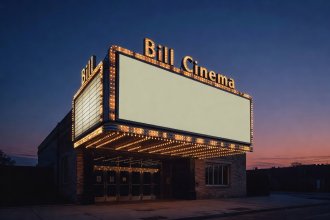
During cinema’s golden repertory era, double bills were not randomly thrown together by theatre projectionists. Great programmers paired an abrasive, innovative title with a lyrical companion, allowing each film to cast new light upon the other.
The Rule of Complementary Contrast
Never pair two films that share the exact same emotional temperature. If your first selection is a relentless, claustrophobic submarine thriller, following it with an equally grinding prison siege will simply numb your emotional receptors. Pair tension with expanse, or moral dread with humane wit.
Four Hand-Curated Double Bills for Home Screening
Below are four tested pairings designed to create an enriching five-hour immersion. We balance runtime, pacing, and visual grammar so the second film builds on the first rather than exhausting you.
Pairing One: The Architecture of Surveillance
First: Alfred Hitchcock’s Rear Window (1954, 112 mins)
Second: Francis Ford Coppola’s The Conversation (1974, 113 mins)
The Dialogue Between Them: Hitchcock explores the visual voyeurism of binoculars in Manhattan courtyard windows; Coppola translates that impulse into the tape recorders, wire taps, and existential paranoia of Gene Hackman's Harry Caul. Both ask: what moral liability does a bystander carry when they witness impending murder?
Pairing Two: Modern Isolation in the Concrete City
First: Edward Yang’s Yi Yi (2000, 173 mins)
Second: Sofia Coppola’s Lost in Translation (2003, 102 mins)
The Dialogue Between Them: Yang’s Taipei masterpiece captures three generations of a family navigating modern commercial life with gentle, panoramic empathy. Following it with Sofia Coppola’s Tokyo hotel reverie brings out the fragile humour of human connection across alien urban landscapes.
Pairing Three: The Fantasy of Childhood Transition
First: Hayao Miyazaki’s Spirited Away (2001, 125 mins)
Second: Guillermo del Toro’s Pan's Labyrinth (2006, 119 mins)
The Dialogue Between Them: Both films present young female protagonists escaping difficult historical realities into mythological subterranean realms. Miyazaki approaches folklore through spiritual purification and labor; Del Toro grounds fairy tales in anti-fascist resistance and sacrifice.
Pairing Four: Bureaucracy Facing Mortality
First: Akira Kurosawa’s Ikiru (1952, 143 mins)
Second: Oliver Hermanus’s Living (2022, 102 mins)
The Dialogue Between Them: Watching Kurosawa's original story of a dying post-war Tokyo civil servant building a children’s playground alongside Kazuo Ishiguro’s English remake starring Bill Nighy highlights how cultural reserve shapes grief and quiet purpose.

How to Structure the Evening at Home
Running a double bill at home requires careful attention to viewing comfort:
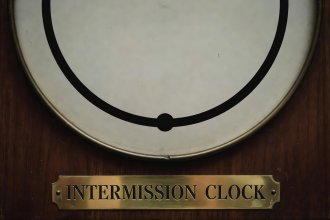
- Respect the Intermission: Give yourself a strict 20 to 30-minute break between titles. Turn on the lights, step outside, make tea, and let the first film settle before introducing new characters.
- Order Matters: Place the longer, more demanding, or emotionally heavier film first while your attention is sharpest. Leave the shorter, more kinetic, or stylistically atmospheric title for the second slot.
- Sound Consistency: Adjust dialogue clarity and dynamic range levels early in the first reel so you don't spend the evening constantly riding the remote control volume keys.
| Phase | Recommended Timing | Purpose |
|---|---|---|
| Feature A: The Anchor | 19:00 – 21:00 | Introduces the core thematic premise; deep narrative immersion |
| Intermission Pause | 21:00 – 21:25 | Physical movement, reflection, avoiding sensory fatigue |
| Feature B: The Echo | 21:25 – 23:15 | Offers contrasting tonal resolution, commentary, or inverted perspective |